The Farberware Pressure Cooker is a versatile, programmable electric appliance designed for efficient cooking. It offers multiple functions like pressure cooking, slow cooking, and browning, making it ideal for home cooks seeking quick, healthy meals with ease.
1.1 Overview
The Farberware Pressure Cooker is a versatile and innovative kitchen appliance designed to simplify cooking while preserving nutrients and flavor. It operates as a 7-in-1 programmable cooker, offering functions such as pressure cooking, slow cooking, browning, and more. The cooker features a removable non-stick pot, digital controls, and pre-set programs for effortless meal preparation. Its compact design and user-friendly interface make it ideal for both novice and experienced cooks. The included manual provides detailed instructions, ensuring safe and effective use. With a focus on efficiency, the Farberware Pressure Cooker reduces cooking time significantly while maintaining healthy eating standards. It is a valuable addition to any kitchen, combining convenience, versatility, and durability for long-term use.
1.2 Key Features
The Farberware Pressure Cooker boasts an array of key features that enhance its functionality and user experience. It operates as a 7-in-1 programmable cooker, offering pressure cooking, slow cooking, browning, steaming, and more. The digital interface allows for precise control, with preset settings for various dishes. A non-stick, removable cooking pot ensures easy cleaning and durability. Safety features include automatic pressure control and a secure locking lid. The cooker is compatible with multiple accessories, expanding its versatility. Its compact design fits seamlessly into modern kitchens, while the one-year limited warranty provides peace of mind. These features make the Farberware Pressure Cooker a practical and efficient addition to any home, catering to diverse cooking needs and preferences with ease.
1.3 Importance of Reading the Manual
Reading the Farberware Pressure Cooker manual is essential for safe and effective use. It provides critical safety instructions, such as proper operation and care, to prevent accidents and ensure longevity. The manual details key features, cooking functions, and troubleshooting tips, helping users maximize the cooker’s potential. Understanding the settings and guidelines enables users to cook efficiently while avoiding common mistakes. Additionally, the manual outlines warranty terms and maintenance practices, ensuring the appliance remains in optimal condition. By following the instructions, users can harness the cooker’s full capabilities while maintaining safety and performance. The comprehensive guide is designed to empower users with knowledge, making it a vital resource for both beginners and experienced cooks.
Safety Precautions
Always follow safety guidelines to avoid accidents. The Farberware Pressure Cooker operates at 70kPa (10 psi). Read the manual thoroughly before use, ensuring proper handling and maintenance.
2.1 General Safety Tips
Always handle the Farberware Pressure Cooker with care, as it operates under high pressure. Ensure the exhaust valve is clean and unobstructed to prevent blockages. Never modify or tamper with the cooker’s components, as this can lead to malfunctions. Keep children away while cooking and avoid touching hot surfaces. Regularly inspect the gasket and lid for damage to maintain proper sealing. Follow the manufacturer’s guidelines for maximum fill levels to avoid overflow. Use oven mitts or tongs to handle the removable pot. Avoid leaving the cooker unattended during operation. Ensure the cooker is placed on a stable, heat-resistant surface. Always allow the pressure to release naturally or via the quick-release valve before opening the lid. Refer to the manual for specific safety instructions tailored to your model, such as the Farberware WM-CS6004W. Adhering to these guidelines ensures safe and efficient cooking.
2.2 Before First Use
Before using your Farberware Pressure Cooker for the first time, carefully unpack and inspect all components for damage. Read the user manual thoroughly to understand its features and operation. Wash the removable cooking pot, lid, and gasket with warm soapy water to ensure cleanliness. Dry all parts thoroughly before assembly. Plug in the cooker and perform a test run by adding 2-3 cups of water to ensure proper function. Familiarize yourself with the control panel and settings. Check for any debris or packaging materials that may remain in the pot or lid. Ensure all parts are securely assembled according to the manual. This initial preparation ensures a safe and successful first use of your Farberware Pressure Cooker, such as model WM-CS6004W.
2.3 During Cooking
During cooking, ensure the pressure valve is properly aligned and the exhaust valve is not obstructed. Monitor the pressure indicator to confirm it reaches the desired level. For models like the WM-CS6004W, the cooker operates at 70kPa (10 psi) for most programs. Avoid opening the lid while cooking, as this can release pressure and affect cooking results. Keep children away from the cooker during operation. If using the browning function, stir food occasionally to prevent burning. The cooking time begins once internal pressure is achieved, which varies based on food quantity. Do not leave the cooker unattended, especially when using high-pressure settings. Ensure all components are securely locked and functioning correctly for safe and efficient cooking. Always follow the manual’s guidelines for specific cooking programs.
2.4 After Cooking
After cooking, allow the pressure to release naturally for 10-15 minutes before using the quick release valve. This prevents excessive steam and ensures even cooking. Once pressure is fully released, carefully open the lid away from your face to avoid steam burns. Turn off the cooker and unplug it to avoid accidental start-ups. Let the cooker cool slightly before handling. Clean the inner pot and components immediately to prevent food residue buildup. Store the cooker in a dry place, ensuring all parts are secure. Always follow the manual’s post-cooking guidelines to maintain safety and ensure longevity of your Farberware Pressure Cooker.

Components of the Farberware Pressure Cooker
The Farberware Pressure Cooker features a removable cooking pot with non-stick coating, a locking lid with a pressure regulator, and a digital control panel for easy operation.
3.1 Overview of Parts
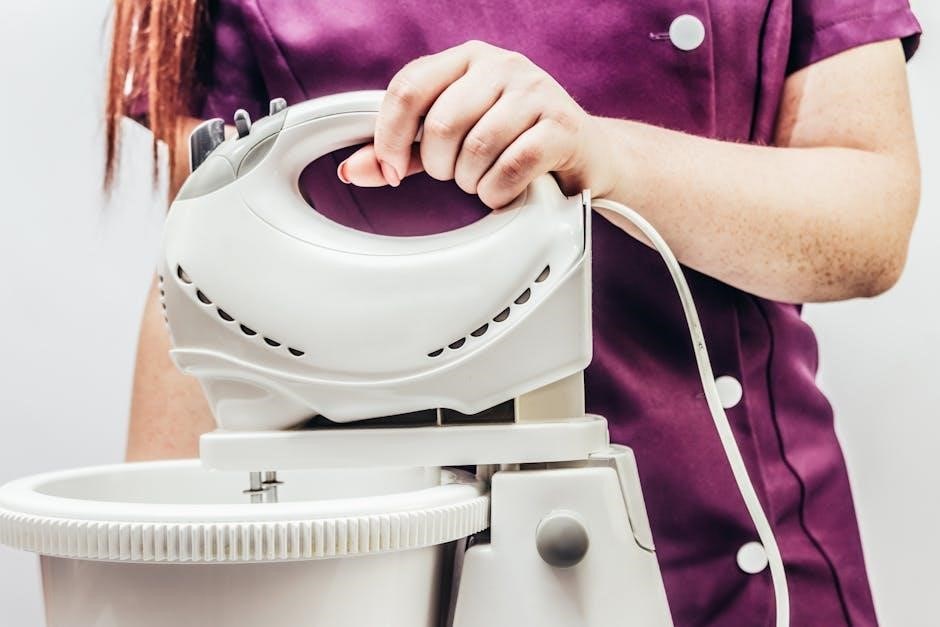
The Farberware Pressure Cooker consists of several key components essential for its operation. The removable cooking pot is lined with a non-stick interior, making food release easy and cleanup convenient; The lid is designed with a locking mechanism to ensure safe pressure sealing. A pressure regulator knob is included to control steam release, and a digital control panel provides intuitive buttons for selecting cooking functions and setting timers. Additional components include a steam basket for steaming vegetables and a measuring cup for accurate liquid measurements. These parts work together to ensure efficient and safe cooking, allowing users to achieve a variety of cooking tasks with ease.
3.2 Detailed Component List
The Farberware Pressure Cooker includes a range of essential components designed for optimal performance. The Removable Cooking Pot features a non-stick interior for easy food release and cleaning. The Lid with Locking Mechanism ensures a secure seal during pressure cooking. A Pressure Regulator Knob allows users to control steam release, while the Digital Control Panel offers buttons for selecting cooking modes and setting timers. Additional components include a Steam Basket for steaming vegetables, a Measuring Cup for accurate liquid measurements, and a Power Cord for connecting the cooker to a power source. These components work together to provide a comprehensive cooking experience.
Operating Instructions
Operate the Farberware Pressure Cooker by setting the Pressure Regulator Knob to desired modes. Use the Digital Control Panel to select functions and set cooking times. Press the Start/Stop Button to begin.
4.1 Getting Started
Before using your Farberware Pressure Cooker, ensure it is properly unpacked and all components are accounted for. Wash the removable pot and accessories with warm soapy water. Place the cooker on a stable, heat-resistant surface and plug it in. Familiarize yourself with the control panel and key components like the pressure regulator knob and steam release valve. Refer to the manual for detailed diagrams. Always ensure the cooker is empty during initial testing. Press the power button to activate the device, and review the digital display for operation modes. Before cooking, verify that all safety features are understood and functioning correctly. This initial setup ensures a safe and efficient cooking experience.
- Unpack and inspect the cooker.
- Wash removable parts.
- Place on a stable surface.
- Plug in and test basic functions.
4.2 Basic Cooking Process
The Farberware Pressure Cooker simplifies cooking with its intuitive design. Start by adding liquid to the removable pot, ensuring the minimum required level is met. Place your food inside, securing the lid tightly. Select the desired cooking mode using the control panel, such as pressure cook, slow cook, or brown. Adjust the cooking time and pressure level as needed. Press the start button to begin. The cooker will build pressure automatically. Once cooking is complete, allow the pressure to release naturally or use the quick-release valve. Open the lid carefully and serve. Always follow the manual’s guidelines for specific foods and settings to achieve optimal results.
- Add liquid to the pot.
- Place food inside.
- Secure the lid.
- Select mode and adjust settings.
- Start cooking.
- Release pressure safely.
4.3 Advanced Features
The Farberware Pressure Cooker offers advanced features for enhanced cooking versatility. The programmable digital interface allows precise control over cooking time, pressure levels, and modes. The brown function enables searing or browning food directly in the pot before pressure cooking, adding flavor to dishes. Additionally, the delay start feature lets you schedule cooking up to 24 hours in advance, ensuring meals are ready when you are. The cooker also includes a keep-warm function to maintain food temperature after cooking. These features make it ideal for busy households and culinary enthusiasts alike, providing flexibility and convenience for a wide range of recipes.
- Programmable digital controls for precise settings;
- Brown function for searing and flavor enhancement.
- Delay start for scheduled cooking.
- Keep-warm function to maintain meal readiness.
Cooking Functions
The Farberware Pressure Cooker offers multiple cooking functions, including pressure cooking, slow cooking, and browning/searing, allowing for versatile meal preparation with ease and efficiency.
- Pressure Cooking for quick meal prep.
- Slow Cooking for tender, flavorful dishes.
- Browning/Searing for adding texture and flavor.
5.1 Pressure Cooking
The Farberware Pressure Cooker excels at pressure cooking, operating at 70kPa (10 psi) for efficient meal preparation. This mode significantly reduces cooking time compared to traditional methods, making it ideal for dishes like stews, grains, and beans. To begin, ensure the lid is properly sealed and the pressure regulator knob is set correctly. Add food and liquid as desired, then select the pressure cooking function. The cooker builds pressure automatically, and cooking time starts once pressure is achieved. Use the control panel to set the timer, up to 99 minutes. Once cooking completes, allow natural pressure release or use the quick-release valve for convenience. Always follow safety guidelines to avoid accidents.
- Set the pressure regulator knob to the correct position.
- Add food and liquid, ensuring minimum water levels are met.
- Press the START/STOP button to begin cooking.
- Allow pressure to release naturally or use the quick-release valve.
5.2 Slow Cooking
The Farberware Pressure Cooker’s slow cooking function offers a convenient alternative to traditional slow cookers, perfect for dishes like roasts, stews, and soups. This mode operates at a lower pressure, allowing for extended cooking times to tenderize food gradually. To use this feature, add your ingredients to the removable pot, set the mode to “Slow Cook,” and adjust the temperature and timer as needed. The cooker maintains a consistent temperature, ensuring even cooking. For optimal results, ensure the lid is securely closed to retain moisture and flavor. This function is ideal for busy households, as it allows for unattended, all-day cooking. Follow the manual’s guidelines for liquid ratios and cooking times to achieve the best results.
- Add ingredients to the removable pot.
- Select the “Slow Cook” function on the control panel.
- Adjust temperature and cooking time as desired.
- Close the lid to retain moisture and flavor.
5.3 Browning/Searing
The Farberware Pressure Cooker’s Browning/Searing function allows users to sauté or sear food directly in the removable pot before pressure cooking. This feature enhances flavor and texture by achieving a crispy exterior on meats, vegetables, and other dishes. To use this function, simply add a small amount of oil to the pot, select the “BROWN” option, and adjust the cooking time as needed. Once browning is complete, you can proceed with pressure cooking. This step is optional but recommended for dishes requiring a caramelized finish. Always ensure the pot is hot before adding ingredients to achieve the best results. This feature makes the Farberware Pressure Cooker a versatile tool for creating flavorful meals.
- Add oil to the removable pot.
- Select the “BROWN” function.
- Cook until ingredients are seared.
- Proceed with pressure cooking if desired.

Maintenance and Care
Regular cleaning and proper storage are essential for maintaining your Farberware Pressure Cooker. Avoid abrasive cleaners to protect the non-stick interior and ensure all parts are dry after washing.
- Clean the cooker thoroughly after each use.
- Store in a dry place to prevent rust.
- Avoid using harsh chemicals or scrubbers.
6.1 Cleaning the Pressure Cooker
Regular cleaning is essential to maintain the performance and longevity of your Farberware Pressure Cooker. After each use, wash the removable pot, lid, and gasket with warm, soapy water. Avoid using abrasive cleaners or scrubbers, as they may damage the non-stick interior. For tough food residue, soak the components in warm water before cleaning. The exterior can be wiped with a damp cloth. Ensure all parts are dry before storage to prevent rust or mold. Deep clean the cooker periodically by running a cycle with water and vinegar to remove any odor or mineral buildup; Always refer to the manual for specific cleaning instructions to ensure safety and optimal function.
6.2 Storage and Organization
Proper storage and organization of your Farberware Pressure Cooker are crucial for maintaining its performance and longevity. Store the appliance in a cool, dry place, away from direct sunlight to prevent overheating. Keep the cooker and its accessories in separate, designated areas to avoid misplacement. Ensure all components, including the lid and gasket, are clean and completely dry before storage to prevent mold or rust. Regularly check stored parts for any signs of wear or damage. Proper storage not only enhances safety but also ensures the cooker remains in optimal condition for future use.
Troubleshooting Common Issues
The Farberware Pressure Cooker may face issues like improper sealing or error codes. Consult the manual for solutions or contact customer support for assistance.
7.1 Common Problems
Users of the Farberware Pressure Cooker may encounter issues such as the cooker not turning on, lid not sealing properly, or excessive steam leaking. Other common problems include error codes, delayed cooking start times, or the cooker not reaching the desired pressure. Some users have reported issues with the browning function not working as expected or the non-stick coating deteriorating over time. Additionally, clogging of the steam release valve or condensation collector can disrupt normal operation. These problems often stem from improper cleaning, incorrect usage, or wear and tear. It’s important to address these issues promptly to ensure optimal performance and safety. Always refer to the manual or contact customer support for guidance on resolving these common issues.
7.2 Solutions and Repairs
To address common issues with the Farberware Pressure Cooker, start by ensuring proper cleaning of the steam release valve and condensation collector to prevent clogs. If the cooker doesn’t turn on, check the power connection and ensure the lid is properly sealed. For steam leaks, inspect the gasket for tightness and cleanliness. If error codes appear, reset the device and refer to the manual for code meanings. For browning function issues, ensure the pot is preheated correctly. Regularly cleaning the non-stick coating with gentle detergents can prevent deterioration. If problems persist, contact Farberware customer support for assistance or repair options under warranty. Always follow the manual’s troubleshooting guide for specific solutions to maintain optimal performance and safety.
Accessories and Additional Equipment
The Farberware Pressure Cooker supports various accessories, such as egg poachers and steam baskets, to enhance cooking versatility. Compatible cookware and utensils are available for optimal performance.
8.1 Optional Accessories
Optional accessories for the Farberware Pressure Cooker include egg poachers, steam baskets, and springform pans, which enhance versatility for specific cooking tasks. These accessories are designed to optimize performance and expand culinary possibilities. Egg poachers are ideal for perfectly cooked eggs, while steam baskets allow for healthy steaming of vegetables or seafood. Springform pans are great for preparing desserts under pressure. Additionally, compatible cookware and utensils, such as non-stick liners or silicone mitts, can improve the cooking experience. These extras are available separately and are recommended for users looking to maximize their cooker’s functionality. Always ensure accessories are compatible with your specific model for safety and optimal results. Consulting the user manual can provide guidance on selecting the right additions to enhance your cooking journey with the Farberware Pressure Cooker.
8.2 Compatible Utensils and Cookware
Using compatible utensils and cookware with the Farberware Pressure Cooker is essential for safe and effective cooking. The cooker features a non-stick interior, so it’s best to use silicone, stainless steel, or wooden utensils to avoid scratching the surface. Avoid using metal utensils, as they may damage the non-stick coating. For cookware, stainless steel or heat-resistant silicone accessories are recommended. Items like steamer baskets or egg poachers designed for pressure cookers are also compatible and can enhance your cooking experience. Always ensure that any cookware or utensils used are suitable for high-pressure environments. Refer to the user manual for specific recommendations on compatible materials and accessories to maintain the longevity and performance of your Farberware Pressure Cooker.

Warranty and Support
The Farberware Programmable Pressure Cooker comes with a one-year limited warranty, covering defects in materials and workmanship. For support, contact Farberware’s customer service team for assistance and inquiries.
9.1 Warranty Terms
The Farberware Programmable Pressure Cooker is backed by a one-year limited warranty, ensuring coverage against defects in materials and workmanship. This warranty applies to the original purchaser and requires proof of purchase, such as a receipt or order confirmation. The warranty period begins on the date of purchase and covers repairs or replacements at the manufacturer’s discretion. It does not extend to damage caused by misuse, neglect, or normal wear and tear. For warranty claims, users must contact Farberware’s customer support team, providing detailed information about the issue and the product. Proper registration of the product may be required to activate warranty benefits, ensuring seamless service and support during the coverage period.
9.2 Customer Support and Service
Farberware offers dedicated customer support to assist with inquiries, troubleshooting, and warranty-related issues. Users can access support through the official Farberware website, where they can find contact information, including phone numbers and email addresses. Additionally, the website provides downloadable resources, such as user manuals and troubleshooting guides, to help users resolve common issues independently. For further assistance, customers can reach out to the support team directly, ensuring prompt and reliable service. The availability of online communities, such as the Facebook group for Farberware Pressure Cooker users, also offers a platform for sharing tips and solutions. This comprehensive support system ensures users can maximize their product’s performance and address any concerns efficiently.
The Farberware Pressure Cooker is a versatile, efficient kitchen appliance that simplifies cooking while maintaining nutritional value. With its user-friendly design and robust features, it offers excellent value for home cooks seeking healthy, quick meals.
10.1 Summary
The Farberware Pressure Cooker is a versatile and efficient kitchen appliance designed to simplify meal preparation while preserving nutrients. Its programmable features, including pressure cooking, slow cooking, and browning, make it ideal for a variety of recipes. The appliance is user-friendly, with clear instructions provided in the manual to ensure safe and effective operation. Key features include a removable non-stick pot, multiple cooking functions, and a robust safety system. The cooker also comes with a one-year limited warranty, offering peace of mind for users. By following the guidelines and safety precautions outlined in the manual, users can maximize the cooker’s potential and enjoy healthy, delicious meals with minimal effort.
- Efficient cooking with multiple functions.
- Easy-to-follow manual for optimal use.
- Safe and durable design.
- Warranty and customer support available.
10.2 Additional Resources
For further assistance, users can access the official Farberware website to download the full instruction manual for the WM-CS6004W model. Additionally, joining the Facebook group “Farberware 7-IN-1 Programmable Pressure Cooker USERS” offers a community-driven resource for tips and troubleshooting. Online forums and cooking blogs also provide creative recipes and usage ideas. The manual itself includes a detailed troubleshooting section, and customer support is available for any queries. Explore these resources to enhance your cooking experience and resolve any issues promptly.
- Official Farberware website for manual downloads.
- Facebook group for community support.
- Online forums and recipe blogs.
- Customer support for assistance.