Monthly Archive April 30, 2026

Bypaula

it chapter 21-22 pdf

IT Chapter 21-22: A Deep Dive into “Training Wheels” and “The Ritual of Chud”

Detailed explorations of Chapters 21 & 22 are readily available online‚ including summaries and analyses from resources like Wattpad and study guides‚ offering comprehensive insights.

These resources‚ alongside Reddit discussions‚ provide a wealth of information for understanding the narrative’s climax and the psychological depths explored within these pivotal chapters.

PDF versions and detailed breakdowns facilitate in-depth study‚ aiding readers in preparing for essays or simply enhancing their appreciation of Stephen King’s masterful storytelling.

Overview of Part Five: The Ritual of Chud

Part Five‚ “The Ritual of Chud‚” marks the terrifying culmination of the Losers’ Club’s decades-long battle against It‚ the ancient evil plaguing Derry‚ Maine. This section‚ encompassing Chapters 21 and 22‚ represents a full-circle return to the horrors of their childhood‚ demanding a final‚ desperate confrontation.

Numerous online resources‚ including detailed study guides and analyses‚ offer comprehensive overviews of this crucial part of the novel. These resources‚ often available in PDF format‚ dissect the escalating tension and the psychological toll on the Losers as they prepare for the ultimate showdown.

The “Ritual of Chud” itself is a complex and dangerous undertaking‚ requiring the Losers to revisit the deepest recesses of their fears and utilize the power of their shared history. Wattpad and Reddit discussions further illuminate the significance of these chapters‚ providing reader interpretations and critical insights into King’s masterful construction of suspense and dread.

Understanding this final act is crucial for appreciating the thematic weight and emotional resonance of IT.

Contextualizing Chapters 21 & 22 within the Larger Narrative

Chapters 21 and 22 aren’t isolated events; they represent the inevitable‚ terrifying climax of a narrative woven throughout decades and multiple timelines. The Losers’ return to Derry isn’t simply a nostalgic revisit‚ but a necessary confrontation with unresolved childhood trauma and the cyclical nature of evil.

PDF study guides and online analyses emphasize how these chapters directly respond to the foundational events established in Part One‚ mirroring and resolving earlier conflicts. The “Ritual of Chud” is foreshadowed throughout the novel‚ building anticipation and highlighting the Losers’ preordained destiny.

Resources like Wattpad discussions and Reddit threads demonstrate how readers interpret these final chapters as a culmination of character arcs and thematic explorations. Understanding the broader narrative context‚ readily available in digital formats‚ is vital for appreciating the full impact of King’s storytelling.

These chapters serve as a powerful resolution‚ solidifying IT’s enduring message about the power of memory‚ friendship‚ and facing one’s deepest fears.

Chapter 21: “Training Wheels” ౼ Detailed Analysis

PDF resources offer in-depth summaries of “Training Wheels‚” revealing the Losers’ preparation for the final battle and confronting lingering childhood anxieties within Derry’s depths.

Chapter 21‚ “Training Wheels‚” marks a crucial turning point as the adult Losers prepare for their final confrontation with It. Utilizing PDF study guides and online resources‚ we see the group revisiting key locations from their childhoods‚ specifically the sewer system beneath Derry.

This descent isn’t merely physical; it’s a psychological plunge back into the trauma that defined their youth. They attempt to mentally and emotionally prepare themselves for the horrors to come‚ acknowledging the fears they’ve long suppressed.

The chapter focuses on Bill Denbrough’s struggle to regain his confidence and leadership role‚ while others grapple with their individual demons. The “training wheels” metaphor represents their hesitant steps towards facing It‚ recognizing the need to overcome their vulnerabilities before engaging in the ultimate battle.

PDF analyses highlight the chapter’s building tension and foreshadowing of the intense ritual that awaits them‚ setting the stage for the climactic showdown in Chapter 22.

Key Characters and Their Roles in Chapter 21

“Training Wheels” deeply explores the Losers’ individual journeys as they brace for the final confrontation‚ as detailed in numerous PDF analyses. Bill Denbrough wrestles with regaining his childhood courage and leadership‚ vital for orchestrating the ritual. Beverly Marsh confronts lingering trauma‚ demonstrating resilience and strength.

Ben Hanscom utilizes his architectural knowledge to understand Derry’s layout‚ particularly the sewer system. Richie Tozier attempts to mask his fear with humor‚ a coping mechanism tested to its limits. Eddie Kaspbrak battles his hypochondria‚ while Stan Uris grapples with overwhelming dread.

Mike Hanlon‚ as the historian‚ provides crucial context about It’s past and the ritual’s requirements. Their roles are interconnected‚ highlighting the necessity of collective strength‚ as evidenced in online chapter summaries and PDF resources.

The Significance of the Sewer System in Chapter 21

The Derry sewer system is far more than a setting; it’s a symbolic representation of It’s lair and the town’s hidden darkness‚ extensively analyzed in available PDF resources. It embodies Derry’s repressed history and collective trauma‚ a labyrinthine network mirroring the characters’ psychological struggles.

The sewers serve as the pathway to It’s ultimate form‚ forcing the Losers to descend into the heart of their fears. Ben Hanscom’s understanding of the system’s architecture proves crucial for navigation‚ highlighting the importance of knowledge against the unknown.

This descent symbolizes a journey into the subconscious‚ confronting buried memories and anxieties‚ as detailed in chapter summaries. The claustrophobic environment amplifies tension‚ foreshadowing the impending ritual and final confrontation.

Symbolism of “Training Wheels” ― Facing Fears

The chapter title‚ “Training Wheels‚” is profoundly symbolic‚ representing the Losers’ hesitant return to childhood bravery‚ a concept explored in detailed chapter analyses found in PDF formats. It signifies a necessary period of re-learning how to confront It‚ shedding adult cynicism and embracing the imaginative power of youth.

Each Loser must overcome personal fears – a metaphorical removal of their own “training wheels” – to effectively combat It. This process is not linear‚ marked by vulnerability and self-doubt‚ as highlighted in online discussions and summaries.

The symbolism extends to the idea of support and reliance‚ mirroring their childhood pact. Ultimately‚ “Training Wheels” embodies the courage required to face trauma and the importance of leaning on each other during the final‚ terrifying confrontation.

The Psychological State of the Losers in Chapter 21

Chapter 21 plunges the Losers into a deeply fractured psychological space‚ meticulously detailed in readily available PDF analyses of the novel. Years of repressed trauma resurface as they re-enter Derry and confront the lingering echoes of It’s influence‚ causing intense anxiety and flashbacks.

Each character grapples with unique forms of fear and self-doubt‚ exacerbated by the realization that their childhood memories were not merely nightmares. The weight of their past threatens to paralyze them‚ hindering their ability to effectively strategize and fight.

This chapter showcases King’s mastery of internal characterization‚ revealing the fragility beneath their adult facades. Online resources highlight the Losers’ desperate attempts to reconcile their present selves with the terrified children they once were.

Building Tension and Foreshadowing in “Training Wheels”

“Training Wheels” masterfully builds tension through King’s deliberate pacing and evocative descriptions‚ readily accessible in detailed chapter analyses available as PDFs. The return to the Derry sewer system immediately establishes a claustrophobic and ominous atmosphere‚ mirroring the Losers’ childhood fears.

Subtle foreshadowing hints at the impending final confrontation‚ with recurring motifs and unsettling imagery creating a sense of dread. Online resources point to the significance of seemingly minor details‚ which later prove crucial to understanding It’s ultimate plan.

King expertly utilizes psychological suspense‚ focusing on the characters’ internal anxieties and mounting paranoia. The chapter’s structure mirrors the cyclical nature of It’s evil‚ suggesting an inescapable fate‚ all thoroughly examined in online guides.

Chapter 22: “The Ritual of Chud” ― Detailed Analysis

Comprehensive analyses‚ often found in PDF format‚ dissect the ritual’s origins and purpose‚ alongside the climactic confrontation with It‚ offering profound insights.

Chapter 22‚ “The Ritual of Chud‚” marks the terrifying culmination of the Losers’ Club’s decades-long battle against It. Returning to Derry‚ they prepare for a final‚ desperate confrontation within the sewers‚ the heart of It’s power. This chapter details the harrowing descent into the subterranean labyrinth‚ facing manifestations of their deepest fears.

The ritual itself‚ as detailed in online analyses and PDF study guides‚ isn’t a formalized ceremony but a brutal‚ psychologically draining assault on It’s core being. It involves confronting It in its most primal form‚ utilizing their collective memories and strengthened bonds to weaken the entity.

The Losers’ struggle is both physical and emotional‚ pushing them to the brink of sanity as they relive past traumas; Ultimately‚ they manage to seemingly destroy It‚ though the ambiguous ending hints at its cyclical nature and potential return‚ a point frequently discussed in online forums and literary critiques.

The Ritual Itself: Origins and Purpose

The “Ritual of Chud‚” as presented in detailed chapter analyses and PDF resources‚ isn’t a pre-defined‚ ancient ceremony; Instead‚ it’s an improvised‚ desperate act born from the Losers’ understanding of It’s nature. It’s a concentrated effort to attack It at its source – a nexus of fear and cosmic evil residing deep within Derry’s underbelly.

Its purpose isn’t to banish It permanently‚ but to sever its connection to the physical world‚ forcing it into a dormant state. This understanding‚ gleaned from their shared history and research‚ drives their actions. The ritual leverages the power of their collective belief and childhood bonds.

Online discussions highlight that the ritual’s origins lie in the Losers’ attempts to understand and exploit It’s weaknesses‚ a process documented in various study guides and analyses available in PDF format. It’s a testament to their resilience and determination.

The Confrontation with It in Chapter 22

Chapter 22’s confrontation‚ extensively analyzed in online resources and PDF summaries‚ depicts a harrowing descent into the Macroverse‚ It’s true form and lair. The Losers‚ armed with their childhood memories and adult resolve‚ face It in a battle that transcends physical limitations.

This climactic encounter‚ detailed in chapter breakdowns‚ isn’t a conventional fight. It’s a psychological war‚ forcing each Loser to confront their deepest fears manifested by It. The battleground is the realm of imagination and trauma‚ where It holds ultimate power;

PDF study guides emphasize that the confrontation’s success hinges on the Losers’ ability to maintain their unity and belief in one another. Their collective strength‚ though tested‚ proves crucial in weakening It and ultimately driving it back into dormancy.

The Role of Bill Denbrough in the Final Confrontation

Bill Denbrough‚ as the self-appointed leader‚ assumes a pivotal role in the final confrontation‚ as detailed in numerous online analyses and readily available PDF resources. His lifelong stutter‚ initially a source of vulnerability‚ becomes a symbol of his unwavering determination to defeat It.

Chapter 22’s climax‚ explored in study guides‚ showcases Bill’s unique connection to It‚ stemming from the loss of his brother Georgie. This connection allows him to understand It’s motives and weaknesses‚ guiding the Losers’ strategy.

PDF summaries highlight Bill’s courage in facing It directly‚ utilizing his storytelling ability – a skill honed throughout his life – to disrupt It’s power and ultimately deliver the final blow. He embodies the theme of overcoming trauma and finding strength in vulnerability.

The Losers’ Collective Strength and Weaknesses

The Losers’ triumph hinges on their collective strength‚ a theme consistently emphasized in online analyses and detailed PDF breakdowns of Chapters 21 & 22. Each member’s unique skill and past trauma contribute to their ability to confront It‚ yet individual weaknesses also present significant challenges.

PDF resources highlight how Beverly’s resilience‚ Richie’s humor‚ Eddie’s hypochondria‚ Stan’s meticulousness‚ Ben’s intellect‚ and Mike’s historical knowledge combine to form a formidable force. However‚ their lingering fears and insecurities‚ explored on platforms like Wattpad‚ threaten to unravel their unity.

The chapters demonstrate that their greatest strength lies in their unwavering loyalty and acceptance of each other’s flaws‚ allowing them to overcome It’s psychological attacks and ultimately prevail.

The Physical and Emotional Toll of the Ritual

The climactic confrontation in Chapters 21 & 22 exacts a devastating physical and emotional toll on the Losers‚ a point thoroughly examined in detailed analyses and readily available PDF resources. The ritual itself‚ as described in online summaries‚ pushes them to the absolute limits of their endurance;

PDF breakdowns reveal the graphic descriptions of their injuries and the psychological trauma they endure while battling It in its most terrifying form. Discussions on platforms like Reddit emphasize the lasting scars – both visible and invisible – left by the experience.

The chapters underscore the idea that defeating evil isn’t without sacrifice‚ and the Losers emerge forever changed‚ bearing the weight of their ordeal and the memories of their lost innocence.

Themes Explored in Chapters 21 & 22

PDF analyses highlight recurring themes: trauma‚ friendship‚ good versus evil‚ and overcoming fear‚ powerfully depicted as the Losers confront It in a final‚ desperate battle.

The Power of Childhood Trauma

Detailed PDF analyses of Chapters 21 & 22 in IT consistently emphasize the pervasive impact of childhood trauma on the Losers’ Club. The narrative reveals how their individual experiences with It‚ and the subsequent repression‚ fundamentally shape their adult selves and their ability to confront the evil once more.

The return to Derry forces a painful re-emergence of these buried memories‚ manifesting as psychological vulnerabilities and hindering their collective strength. Discussions on platforms like Reddit underscore how King masterfully portrays the long-lasting scars inflicted by childhood abuse and fear.

Wattpad summaries and study guides further illuminate how the characters’ present-day struggles are directly linked to the horrors they endured as children‚ making the final confrontation not just a battle against a monster‚ but a struggle for personal liberation from the ghosts of their past.

The Importance of Friendship and Loyalty

PDF resources analyzing IT’s Chapters 21 & 22 highlight the crucial role of the Losers’ Club’s enduring friendship in their ultimate confrontation with It. Despite years of separation and individual struggles‚ their shared history and unwavering loyalty prove to be their greatest weapon.

Study guides and Wattpad discussions emphasize how the characters’ ability to reconnect and support one another is essential for overcoming their individual fears and vulnerabilities. The narrative demonstrates that facing such profound evil requires a collective strength born from genuine connection.

Reddit threads reveal reader interpretations focusing on the power of their bond‚ showcasing how their commitment to each other transcends time and trauma. This loyalty isn’t merely sentimental; it’s a strategic necessity for survival against It’s manipulative tactics.

Good vs. Evil: A Recurring Motif

PDF analyses of IT’s concluding chapters (21 & 22) consistently identify the age-old struggle between good and evil as a central‚ recurring motif. It‚ embodying pure malice‚ represents a primal fear that preys on the Losers’ vulnerabilities.

Study guides and online resources demonstrate how King portrays this conflict not as a simple dichotomy‚ but as a complex interplay of light and darkness within each character. The Losers’ internal battles mirror the external fight against It‚ showcasing the insidious nature of evil.

Discussions on platforms like Reddit reveal interpretations of the final confrontation as a symbolic representation of overcoming personal demons and societal ills. The Losers’ victory signifies the triumph of hope and resilience over despair and corruption.

Facing and Overcoming Fear

PDF resources dedicated to IT’s final chapters (21 & 22) highlight the theme of facing and overcoming fear as paramount to the Losers’ success. The confrontation with It forces each character to confront their deepest‚ most personal anxieties‚ often rooted in childhood trauma.

Detailed analyses from sites like Wattpad and study guides emphasize how King illustrates this process through the Losers’ collective strength and individual acts of courage. “Training Wheels” specifically symbolizes the initial‚ hesitant steps towards confronting their fears.

Online discussions‚ including Reddit threads‚ reveal interpretations of the ritual as a metaphorical journey into the heart of fear itself. Ultimately‚ the Losers’ ability to acknowledge and accept their fears is crucial to defeating It and achieving liberation.

Analyzing the Writing Style in These Chapters

PDF analyses reveal King’s masterful use of descriptive language‚ building suspense and tension through pacing techniques‚ and developing characters via impactful dialogue.

These stylistic choices are thoroughly examined in online resources‚ enhancing comprehension of the narrative’s emotional weight and dramatic impact.

King’s Use of Descriptive Language

Stephen King’s renowned descriptive prowess is strikingly evident in Chapters 21 and 22‚ particularly when detailing the harrowing descent into the sewers and the climactic confrontation with It.

PDF analyses highlight how King employs visceral imagery‚ evoking a palpable sense of dread and claustrophobia as the Losers navigate the labyrinthine underworld of Derry.

His meticulous attention to sensory details—the stench‚ the darkness‚ the echoing sounds—immerses the reader in the Losers’ terrifying experience‚ amplifying the psychological impact of their journey.

The descriptions aren’t merely atmospheric; they actively contribute to the building tension and foreshadowing of the impending ritual and final battle.

Online resources demonstrate how King’s language choices mirror the characters’ internal states‚ reflecting their fear‚ determination‚ and the resurfacing of childhood trauma.

This masterful use of description elevates the narrative beyond a simple horror story‚ transforming it into a deeply unsettling exploration of the human psyche.

Pacing and Suspense Techniques

Chapters 21 and 22 of “IT” demonstrate Stephen King’s mastery of pacing and suspense‚ expertly building tension towards the final confrontation with It‚ as detailed in numerous PDF analyses.

The narrative shifts between moments of frantic action and unsettling quiet‚ creating a dynamic rhythm that keeps readers on edge‚ mirroring the Losers’ fluctuating emotional states.

King utilizes foreshadowing and red herrings‚ subtly hinting at the dangers ahead while simultaneously misleading the reader‚ enhancing the sense of uncertainty and dread.

The deliberate slowing of pace during key moments—like the preparation for the ritual—amplifies the psychological weight of the impending battle.

Online discussions reveal how King employs cliffhangers and withholding information‚ compelling readers to turn the page and discover the fate of the characters.

This skillful manipulation of pacing and suspense is crucial to the chapters’ effectiveness‚ solidifying “IT”’s reputation as a truly terrifying and unforgettable horror novel.

Character Development Through Dialogue

The dialogue in Chapters 21 and 22 of “IT” serves as a powerful tool for character development‚ revealing the Losers’ inner turmoil and strengthening their bonds as they prepare for the final confrontation‚ as explored in various PDF analyses.

King utilizes distinct voices and speech patterns for each character‚ highlighting their individual personalities and histories‚ enriching the narrative’s authenticity.

Conversations are often laced with shared memories and inside jokes‚ underscoring the depth of their childhood connection and the trauma they’ve collectively endured.

During moments of intense pressure‚ dialogue reveals vulnerabilities and fears‚ showcasing the characters’ emotional growth and resilience.

Online discussions emphasize how King uses dialogue to expose the characters’ evolving perspectives on It and their own roles in defeating it.

This nuanced approach to dialogue elevates the chapters beyond simple action‚ creating a deeply human and emotionally resonant experience for the reader.

Impact and Reception of Chapters 21 & 22

PDF resources reveal these chapters evoke strong reader reactions‚ sparking interpretations about trauma and closure; critical analyses highlight their significance to “IT’s” overall impact.

Reader Reactions and Interpretations

Digital discussions‚ particularly on platforms like Reddit‚ demonstrate a profound emotional response to Chapters 21 & 22‚ often centered around the culmination of the Losers’ Club’s journey. PDF study guides and online analyses reveal readers frequently grapple with the themes of confronting childhood trauma and the lasting power of friendship.

Many express a sense of catharsis as Bill Denbrough faces It‚ while others debate the effectiveness of the final confrontation; Interpretations vary widely‚ with some viewing the ending as definitively triumphant and others as subtly melancholic‚ acknowledging the scars that remain. The psychological toll on the characters resonates deeply‚ prompting discussions about the long-term effects of fear and abuse.

Accessibility through PDF formats has fostered broader engagement‚ allowing readers to dissect the chapters’ nuances and share their personal connections to the story’s themes. Online communities serve as spaces for collaborative interpretation‚ enriching the reading experience and highlighting the enduring legacy of Stephen King’s masterpiece.

Critical Analysis of the Chapters’ Significance

Chapters 21 & 22 represent the narrative apex of IT‚ solidifying the novel’s exploration of trauma‚ memory‚ and the cyclical nature of evil. PDF analyses highlight King’s masterful use of foreshadowing and suspense‚ building relentlessly towards the final confrontation. Critics note the chapters’ structural mirroring of the Losers’ childhood experiences‚ emphasizing the enduring impact of their past.

The “Ritual of Chud” is often interpreted as a symbolic representation of confronting one’s deepest fears‚ requiring collective strength and individual sacrifice. Scholarly discussions‚ accessible through online resources and PDF guides‚ examine the chapters’ contribution to the horror genre‚ praising King’s ability to blend supernatural terror with psychological realism.

The chapters’ significance lies in their resolution – not merely of the immediate threat of It‚ but of the Losers’ internal struggles. PDF versions facilitate close reading‚ revealing the intricate layers of symbolism and thematic resonance that elevate these chapters beyond conventional horror tropes.

The Chapters’ Contribution to the Overall Impact of “IT”

Chapters 21 and 22 are crucial to IT’s lasting impact‚ providing a cathartic‚ albeit harrowing‚ conclusion to the decades-long struggle against Pennywise. PDF analyses demonstrate how these chapters synthesize the novel’s core themes – the power of memory‚ the resilience of friendship‚ and the enduring nature of childhood trauma. They elevate the narrative from a simple horror story to a profound exploration of the human condition.

The “Ritual of Chud” serves as a symbolic culmination of the Losers’ journey‚ demanding they confront not only It‚ but also their own inner demons. Online resources and PDF study guides emphasize how King utilizes these chapters to underscore the importance of facing one’s fears‚ even when the odds seem insurmountable.

Ultimately‚ these chapters solidify IT’s place as a landmark achievement in horror literature‚ leaving a lasting impression on readers through their emotional intensity and thematic depth. PDF versions allow for detailed examination of King’s masterful storytelling techniques.
Bypaula

meat smoking guide

Meat Smoking Guide: A Comprehensive Plan

Embark on a flavorful journey! This guide unveils the art of meat smoking‚ transforming ordinary cuts into tender‚ smoky masterpieces – a truly rewarding culinary experience.

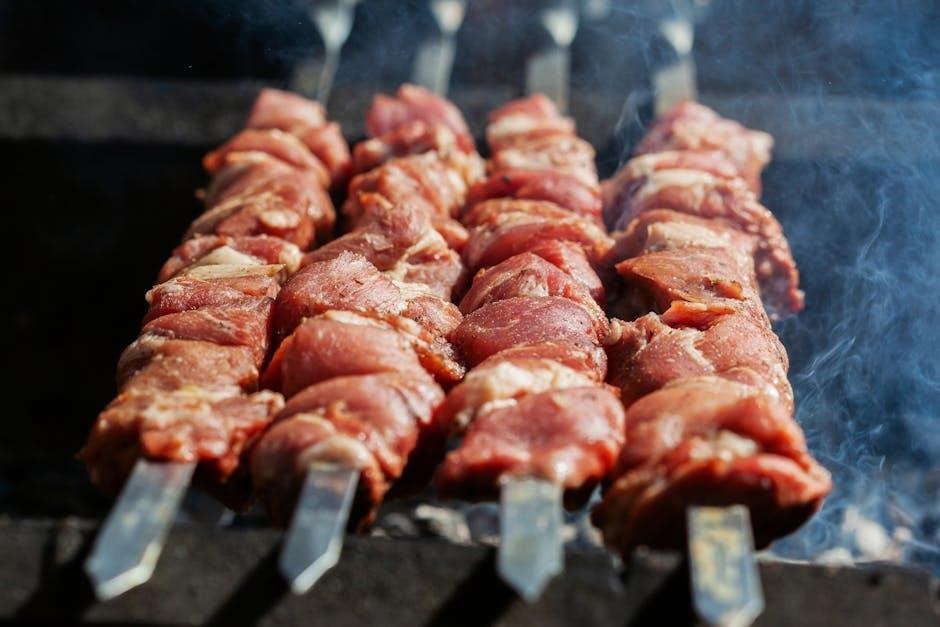
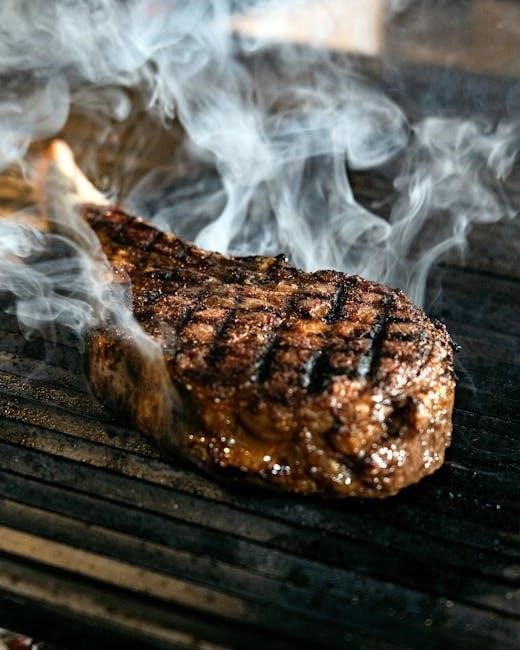
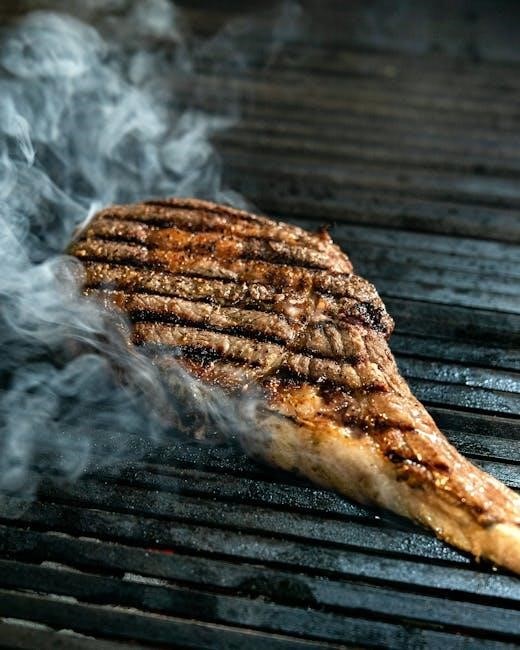
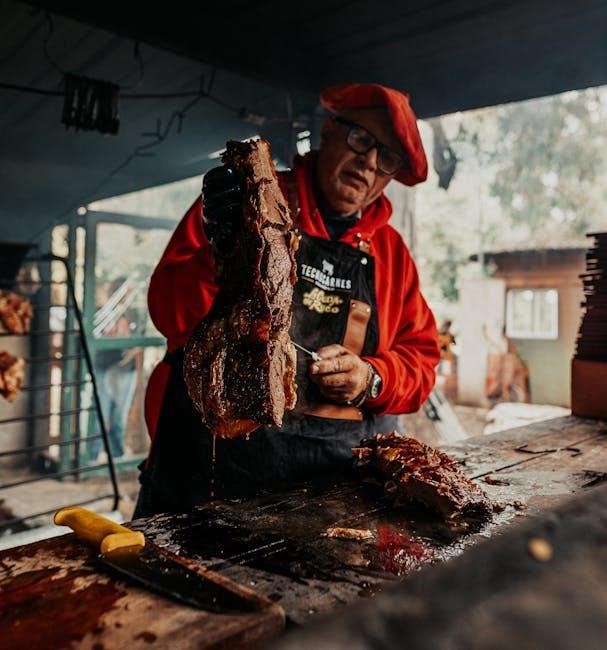
Welcome to the world of smoked meat! For centuries‚ humans have preserved and enhanced food through smoking‚ a technique that imparts incredible flavor and tenderness. This isn’t just cooking; it’s a transformation. Meat smoking involves exposing meat to smoke from burning wood at relatively low temperatures for extended periods.

This slow cooking process breaks down tough connective tissues‚ resulting in incredibly juicy and flavorful results. It’s a method steeped in tradition‚ yet accessible to anyone with a desire to create something truly special. Prepare to discover a rewarding culinary adventure!

Why Smoke Meat? ー Flavor & Texture

The allure of smoked meat lies in its unparalleled flavor and texture. Smoking isn’t merely about adding a “smoky” taste; it’s about layering complex flavors derived from the wood itself – sweet‚ savory‚ fruity‚ or bold. This infusion penetrates deep within the meat‚ creating a taste experience unlike any other cooking method.

Furthermore‚ the low and slow process tenderizes even the toughest cuts. Collagen breaks down into gelatin‚ resulting in incredibly moist and succulent meat. It’s a culinary alchemy that transforms ordinary cuts into extraordinary meals‚ offering a depth of flavor and texture simply unattainable through other techniques.

Essential Equipment for Meat Smoking

Successful smoking requires more than just meat and wood. While the core principle is simple‚ having the right equipment elevates the experience significantly. A dedicated smoker is paramount‚ ranging from affordable electric models to sophisticated kamado grills like the Big Green Egg.

Beyond the smoker‚ essential tools include a reliable meat thermometer (digital probes are ideal)‚ quality wood chunks or chips‚ and durable cooking utensils. Proper ventilation is also crucial‚ and a good set of heat-resistant gloves will protect your hands. Investing in these basics sets the stage for consistently delicious results.

3.1 Smokers: Types & Considerations

Choosing the right smoker depends on budget and desired level of control. Electric smokers offer convenience and consistent temperatures‚ ideal for beginners. Charcoal smokers provide classic smoky flavor but require more attention. Pellet smokers blend convenience with wood-fired taste.

Kamado grills‚ like the Big Green Egg‚ are incredibly versatile‚ excelling at both smoking and grilling. Consider size – larger smokers accommodate bigger cuts. Insulation is key for maintaining temperature‚ especially in colder climates. Ultimately‚ select a smoker that aligns with your cooking style and commitment level.

Fuel Sources for Smoking

Fuel is the heart of smoke flavor! Wood provides distinct profiles – hickory for bacon‚ mesquite for bold flavors‚ fruit woods like apple or cherry for poultry and pork. Charcoal‚ available as briquettes or lump‚ offers consistent heat. Briquettes burn longer‚ while lump charcoal lights faster and produces less ash.

Combining wood and charcoal is common‚ layering wood chunks over charcoal for prolonged smoke. Remember‚ proper airflow is crucial for efficient combustion. Experiment with different wood types to discover your preferred smoky nuances‚ enhancing each meat’s natural taste.

4.1 Wood Types & Their Flavor Profiles

Wood selection dramatically impacts flavor! Hickory delivers a classic‚ bacon-like smokiness‚ ideal for ribs and pork shoulder. Mesquite offers a robust‚ earthy flavor‚ best suited for beef brisket and tougher cuts. Fruit woods – apple‚ cherry‚ peach – impart a milder‚ sweeter smoke‚ perfect for poultry and fish.

Oak provides a medium smoke‚ versatile for most meats. Maple is subtly sweet‚ enhancing pork and poultry. Consider blends for complexity! Always use seasoned hardwoods‚ avoiding softwoods like pine‚ which create unpleasant flavors and soot.

4.2 Charcoal: Briquettes vs. Lump Charcoal

Choosing the right charcoal is key! Briquettes offer consistent heat and longer burn times‚ making them beginner-friendly. They are uniform in shape and burn at a predictable rate‚ simplifying temperature control. However‚ they often contain additives and produce more ash.

Lump charcoal burns hotter and cleaner‚ imparting a purer smoke flavor. It’s made from whole pieces of wood‚ offering a more natural experience. But‚ lump burns faster and can be less consistent in size‚ requiring more attention to maintain temperature.

Meat Selection: Best Cuts for Smoking

Selecting the right meat is paramount! For beef‚ brisket‚ ribs (spare or baby back)‚ and tri-tip are excellent choices‚ benefiting from low and slow cooking. Pork shoulder (for pulled pork) and ribs are also fantastic‚ becoming incredibly tender with smoke.

Poultry‚ like chicken‚ turkey‚ and duck‚ absorb smoke beautifully. Consider bone-in‚ skin-on cuts for maximum flavor and moisture. Ultimately‚ almost any cut can be smoked‚ but these offer the most rewarding results‚ delivering exceptional tenderness and flavor.

5.1 Beef: Brisket‚ Ribs‚ Tri-Tip

Beef takes exceptionally well to smoking! Brisket‚ a challenging but rewarding cut‚ requires patience for incredible tenderness. Ribs‚ particularly spare ribs‚ offer rich flavor and fall-off-the-bone texture. Tri-tip‚ a smaller cut‚ smokes quickly and delivers a robust‚ beefy taste.

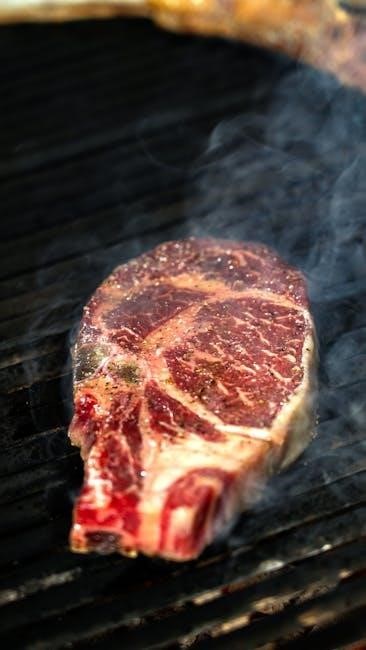
When choosing‚ look for good marbling – intramuscular fat – for moisture and flavor. Brisket benefits from a point cut or full packer. Proper trimming and seasoning are crucial for optimal results‚ ensuring a smoky‚ delicious beef experience.

5.2 Pork: Pulled Pork‚ Ribs‚ Shoulder

Pork is a smoker’s best friend! Pork shoulder (Boston butt) is ideal for pulled pork‚ becoming incredibly tender with low and slow cooking. Spare ribs and baby back ribs offer fantastic flavor‚ benefiting from a dry rub and smoky embrace. Pork readily absorbs smoke‚ creating a delightful taste.

Look for cuts with ample marbling. Shoulder cuts require longer cook times‚ while ribs are quicker. Brining can enhance moisture. Pork’s versatility makes it a perfect starting point for any aspiring smoker.

5.3 Poultry: Chicken‚ Turkey‚ Duck

Poultry takes beautifully to smoke! Chicken‚ especially whole birds or thighs‚ gains a wonderful smoky flavor and remains incredibly moist when smoked properly. Turkey‚ a holiday favorite‚ becomes exceptionally tender and flavorful with a long‚ slow smoke. Duck‚ with its rich flavor‚ is elevated by wood smoke.

Brining is highly recommended for poultry to ensure juiciness. Consider spatchcocking chicken or turkey for even cooking. Poultry cooks faster than beef or pork‚ so monitor temperatures closely for optimal results.

Preparing the Meat for Smoking

Proper preparation is key to smoking success! Before introducing meat to the smoker‚ careful attention to detail unlocks maximum flavor and tenderness. This involves several crucial steps‚ beginning with assessing the cut and its fat cap.

Trimming excess fat and silver skin enhances smoke penetration. Brining or marinating infuses moisture and seasoning deep within the muscle fibers. Finally‚ applying a dry rub or seasoning blend creates a flavorful bark during the smoking process – a delicious crust!

6.1 Trimming & Pruning

Strategic trimming elevates your smoke! Removing excess fat isn’t about eliminating flavor‚ but optimizing smoke adherence and rendering. A thick fat cap is beneficial‚ but large pockets should be addressed. Silver skin‚ a tough membrane‚ drastically hinders seasoning absorption and tenderness; meticulously remove it.

Pruning involves shaping the cut for even cooking. For brisket‚ this means rounding sharp corners to prevent burning. For ribs‚ removing the membrane on the bone side allows for better seasoning penetration and a more pleasant bite. Precision here yields superior results!

6.2 Brining & Marinating

Moisture is paramount! Brining‚ submerging meat in a saltwater solution‚ enhances hydration‚ resulting in juicier‚ more flavorful smoked meat. It allows the meat to absorb liquid‚ compensating for moisture lost during the long cook. Marinating‚ using acidic mixtures‚ tenderizes and infuses flavor‚ though it doesn’t penetrate as deeply as brining.

Consider the cut; poultry benefits greatly from brining‚ while tougher cuts like pork shoulder respond well to marinades. Experiment with herbs‚ spices‚ and aromatics to create unique flavor profiles. Both methods prepare the meat for optimal smoke absorption.

6.3 Rubs & Seasoning Blends

Flavor layering begins here! Dry rubs‚ a blend of spices‚ herbs‚ and sugar‚ create a flavorful bark – the delicious‚ darkened exterior of smoked meat. They adhere to the surface‚ forming a crust that enhances texture and taste. Seasoning blends offer convenience‚ but crafting your own allows for customization.

Consider the meat’s natural flavor; bolder rubs suit beef brisket‚ while sweeter blends complement pork. Apply liberally‚ ensuring even coverage. Allow the rub to penetrate for several hours‚ or even overnight‚ for maximum impact.

The Smoking Process: Temperature Control

Consistent heat is paramount! Maintaining a stable smoker temperature is the cornerstone of successful smoking. Most meats benefit from low and slow cooking‚ typically between 225°F and 275°F (107°C ⸺ 135°C). Fluctuations can lead to uneven cooking and affect the final product’s tenderness and flavor.

Utilize your smoker’s temperature gauge‚ but supplement with an independent thermometer for accuracy. Adjust vents and fuel levels to regulate heat. Patience is key; resist the urge to constantly open the smoker‚ as this releases heat and smoke.

Maintaining Consistent Smoke

Blue smoke is your friend! A consistent‚ thin blue smoke indicates complete combustion and optimal flavor infusion. Thick‚ white smoke suggests incomplete combustion‚ resulting in a bitter taste. Regularly add fuel – wood chunks‚ chips‚ or charcoal – to maintain a steady smoke output throughout the cook.

Avoid over-smoking‚ as it can also impart a harsh flavor. Monitor the smoke color and adjust fuel accordingly. A water pan can help regulate temperature and maintain humidity‚ contributing to a more consistent smoke environment.

Understanding the Stall

Don’t panic! The “stall” is a frustrating plateau in internal temperature during a smoke‚ typically between 150-170°F (65-77°C). It’s caused by evaporative cooling – as moisture evaporates from the meat‚ it draws heat away‚ halting temperature rise.

This can last for hours‚ but it’s a sign the meat is breaking down connective tissue. Resist the urge to increase the temperature drastically. Patience is key! Wrapping the meat (“Texas Crutch”) can help overcome the stall by reducing evaporative cooling.

Internal Temperature & Doneness

Accuracy is paramount! Relying on time alone isn’t enough; use a reliable meat thermometer to gauge doneness. Internal temperature dictates tenderness and safety. For beef brisket‚ aim for 203°F (95°C) for fall-apart texture. Pork shoulder needs around 200-205°F (93-96°C) for similar results.

Poultry requires 165°F (74°C) for safety. Remember carryover cooking – the temperature will continue to rise slightly after removal from the smoker. Probe for tenderness; it should feel like probing warm butter when done correctly.

Resting the Meat: Crucial for Tenderness

Don’t skip this vital step! Resting allows muscle fibers to relax and reabsorb juices‚ resulting in incredibly tender and flavorful meat. After removing from the smoker‚ wrap the meat tightly in butcher paper or foil‚ and then place it in a cooler (without ice) for at least one hour.

For larger cuts like brisket‚ two to four hours is ideal. This process redistributes moisture‚ preventing a dry final product. Patience is key – a well-rested piece of smoked meat is a revelation!

Popular Smoking Methods

Explore regional traditions! Two iconic styles dominate the smoking world: Texas-style brisket and Carolina-style pulled pork. Texas brisket focuses on simple salt and pepper rubs‚ low and slow cooking‚ and a focus on bark development. Carolina pulled pork‚ conversely‚ embraces a vinegar-based sauce‚ often applied during and after the smoking process.

These methods represent distinct approaches to flavor and texture. Experimenting with both will broaden your smoking horizons and help you discover your personal preferences. Each offers a unique and delicious experience!

12.1 Texas-Style Brisket

The king of Texas BBQ! This method centers around a full packer brisket‚ seasoned simply with coarse black pepper and salt – the “Dalmatian rub”. Low and slow cooking‚ typically between 225-275°F (107-135°C)‚ for 12-18 hours‚ is crucial.

Maintaining a consistent temperature and smoke is paramount. Wrapping the brisket (the “Texas crutch”) during the stall helps power through it. The goal is incredibly tender‚ sliceable brisket with a beautiful‚ dark bark. Patience and precision are key to achieving brisket perfection!

12.2 Carolina-Style Pulled Pork

A Southern staple! Carolina pulled pork traditionally uses a pork shoulder (Boston butt) rubbed with a flavorful blend of spices – often including paprika‚ garlic powder‚ and cayenne pepper. Smoking at a similar low and slow temperature as brisket‚ around 225-250°F (107-121°C)‚ for 8-12 hours‚ breaks down the tough connective tissues.

The resulting pork should be incredibly tender and easily shredded. It’s typically served with a vinegar-based sauce‚ varying in sweetness and spice levels depending on the region (Eastern vs. Western Carolina). A true taste of the South!

Common Smoking Problems & Solutions

Troubleshooting your smoke! Even experienced smokers encounter issues. Dry meat often results from high temperatures or insufficient fat marbling; lower the heat and consider a water pan. Lack of smoke flavor? Ensure adequate wood chunks are used and the smoker is sealed properly for optimal smoke circulation.

The “stall” – a plateau in internal temperature – is normal; patience is key! Don’t increase heat drastically. If the meat isn’t rendering fat‚ consider a spritz or wrapping in butcher paper. Consistent monitoring and adjustments are crucial for success.

13.1 Meat is Too Dry

Combatting dryness is key! Dry meat is a common smoking frustration‚ often stemming from prolonged exposure to heat. Several factors contribute: high cooking temperatures‚ insufficient internal fat within the cut‚ or simply smoking for too long. Employing a water pan inside the smoker adds humidity‚ helping retain moisture.

Wrapping the meat in butcher paper (the “Texas Crutch”) during the stall phase also prevents further moisture loss. Regularly spritzing with apple juice or broth can provide temporary hydration. Selecting cuts with good marbling is a preventative measure.

13.2 Not Enough Smoke Flavor

Boosting smoke penetration is achievable! A lack of smoky flavor often results from insufficient smoke wood‚ poor airflow‚ or using the wrong type of wood. Ensure a consistent‚ clean smoke – avoid thick‚ white billowing smoke‚ which indicates incomplete combustion and creates bitter flavors.

Use enough wood chunks or chips for your smoker’s capacity. Experiment with different wood types to find your preference. Proper airflow is crucial; ensure vents are adjusted to allow for adequate oxygen flow to the wood. Consider adding a smoke tube for concentrated smoke delivery.

Safety Considerations When Smoking Meat

Prioritize safety during every smoking session! Working with heat‚ open flames‚ and potentially heavy smokers demands caution. Always position your smoker on a level‚ non-combustible surface‚ away from structures and flammable materials. Keep a fire extinguisher and water source nearby for emergencies.

Wear heat-resistant gloves when handling hot components. Be mindful of hot surfaces and avoid touching them directly. Never leave a lit smoker unattended. Properly dispose of ashes and grease. Ensure adequate ventilation to prevent carbon monoxide buildup‚ especially when smoking indoors or in enclosed spaces.

Big Green Egg Smokers: A Detailed Look

The Big Green Egg (BGE) stands as a premium kamado-style grill and smoker‚ renowned for its exceptional heat retention and versatility. Its ceramic construction allows for precise temperature control‚ crucial for low-and-slow smoking. The distinctive egg shape isn’t just aesthetic; it optimizes airflow and heat circulation.

BGEs can grill‚ roast‚ and bake‚ making them an all-in-one cooking solution. While an investment‚ their durability and performance justify the cost for serious smokers. Accessories expand functionality‚ from plate setters for indirect cooking to convection attachments for baking.

Smoking Meat Low and Slow: The Core Principle

The essence of exceptional smoked meat lies in the “low and slow” method. This technique involves cooking meat at temperatures typically between 225°F and 275°F (107°C ー 135°C) for an extended period. This gentle heat breaks down tough connective tissues‚ resulting in incredibly tender and juicy results.

Low temperatures also allow the smoke flavor to penetrate deeply into the meat. Patience is key; smoking isn’t a quick process. Embracing the time allows for a transformation‚ yielding a flavorful experience far superior to faster cooking methods.

Advanced Techniques: Spritzing & Wrapping

Elevate your smoking game with spritzing and wrapping! Spritzing‚ applying a liquid (like apple juice or water) to the meat’s surface‚ maintains moisture and enhances bark formation. It combats drying during prolonged cooking.

Wrapping – typically in butcher paper or foil – further protects the meat‚ accelerating the cooking process during the “stall” (when temperature plateaus). This technique also intensifies flavors. Mastering these methods unlocks a new level of tenderness and smoky goodness‚ taking your results to professional standards.

Wood Chunk vs. Wood Chips: Which to Use?

Choosing between wood chunks and chips impacts your smoke flavor! Wood chips burn faster‚ ideal for shorter smokes (under 4 hours) providing a quick burst of flavor. They require frequent replenishment.

Wood chunks‚ larger and denser‚ burn slower and longer – perfect for extended smoking sessions (brisket‚ pork shoulder). They deliver a more consistent‚ robust smoke profile. Consider your smoker type; chips work well in electric smokers‚ while chunks excel in charcoal or offset smokers. Experiment to find your preference!

Monitoring Temperature: Thermometers & Probes

Accurate temperature control is paramount for successful smoking! Relying on your smoker’s built-in thermometer is often insufficient; invest in a quality digital thermometer. Probe thermometers‚ with a probe inserted into the meat‚ provide continuous internal temperature readings – crucial for doneness.

Remote probe thermometers offer convenience‚ allowing you to monitor temperatures from indoors. Dual-probe models track both meat and smoker temperature simultaneously. Consistent monitoring prevents overcooking or undercooking‚ ensuring juicy‚ flavorful results every time. Don’t skip this vital step!

Cleaning and Maintaining Your Smoker

Regular cleaning extends your smoker’s life and prevents off-flavors! After each use‚ remove ash and grease buildup. For charcoal smokers‚ thoroughly clean the grates. For electric or pellet smokers‚ follow the manufacturer’s instructions for cleaning the burn pot and grease trap.

Periodically inspect your smoker for rust or damage. Season cast iron grates with oil to prevent sticking. Proper maintenance ensures consistent performance and delicious results. A clean smoker is a happy smoker – and a safer one!

Recipes to Get You Started

Ready to smoke? Let’s begin with some approachable recipes! Start with a simple Pulled Pork – a pork shoulder rubbed with a sweet and savory blend‚ smoked low and slow until fall-apart tender. Next‚ try Smoked Chicken‚ brined for moisture and seasoned with herbs and spices.

For beef lovers‚ a Tri-Tip roast offers a quicker smoke and fantastic flavor. Don’t be afraid to experiment with different rubs and wood combinations. These recipes provide a solid foundation for your smoking adventures!

Resources for Further Learning

Expand your smoking knowledge! Explore online forums like SmokingMeat.com for a vibrant community and expert advice. AmazingRibs.com offers in-depth articles on techniques‚ rubs‚ and equipment. YouTube channels such as HowToBBQRight provide visual guides and recipe demonstrations.

Consider books like “Franklin Barbecue: A Meat-Smoking Manifesto” for inspiration. Local barbecue supply stores often host workshops. Continuous learning is key to mastering the art of meat smoking and unlocking its full potential!

Bypaula

virginia beach public works design standards manual

Renew by Diana offers natural, evidence-based injectables and skin treatments, focusing on gentle care and trauma-informed healing for aesthetic goals․

Purpose of the Manual

Diana’s mission centers on guiding individuals from challenging life stages – divorce, trauma, illness, or betrayal – towards radiance and reinvention, particularly after 50․

This manual establishes consistent engineering and construction practices for public infrastructure projects within Virginia Beach․ It aims to ensure public safety, protect the environment, and provide cost-effective solutions․

The standards detailed herein facilitate efficient project delivery, promote quality workmanship, and maintain the long-term integrity of city assets․ Renew by Diana utilizes strategic filler placement and PRF to restore and regenerate delicate features, offering flexible payment options for self-care․

Ultimately, this document serves as a vital resource for designers, contractors, and city staff involved in the planning, design, and construction of public works projects․

Scope of Coverage

Diana, a registered nurse with eight years of experience in pediatrics, mental health, and emergency medicine, now specializes in aesthetic medicine, providing Botox, fillers, and microneedling in Sunset Hills, St․ Louis․

This manual encompasses design and construction standards for a broad range of public works infrastructure, including roadways, stormwater management systems, water and sewer lines, landscaping, and traffic control devices․

It addresses aspects from initial planning and site layout to material specifications and quality control procedures․ Renew by Diana focuses on gentle care and natural results, mapping facial movement for expressive smoothing with injectables like Botox and Daxxify․

The standards apply to all projects funded by the City of Virginia Beach, ensuring uniformity and adherence to best practices․

Roadway Design Standards

Diana’s mission is to guide individuals from hardship to radiance, utilizing trauma-informed healing and practical anxiety coping strategies for self-care․

Horizontal Alignment Standards

Second Act Reinvention After 50 focuses on navigating life changes – divorce, trauma, cancer, or chronic illness – offering support and guidance during pivotal moments․ Diana, a registered nurse with eight years of experience in pediatrics, mental health, and emergency medicine, now specializes in aesthetic medicine․

Her approach emphasizes natural rejuvenation through treatments like PRF (Platelet-Rich Fibrin) and strategic filler placement, aiming for undetectable yet restorative results․ Diana prioritizes gentle care and building trust with clients, understanding the importance of individualized treatment plans․ She offers flexible payment options to support self-care journeys, acknowledging the financial considerations involved in aesthetic procedures․

Vertical Alignment Standards

Diana provides Botox, Dysport, and Daxxify in St․ Louis, focusing on gentle, natural results․ She meticulously maps facial movement for soft, expressive smoothing, ensuring a refreshed appearance without compromising individuality․ Her practice, Renew you by Diana Just GLO, llc, is located at 9901 Watson Rd, Suite 101, St․ Louis, MO․

Diana expresses gratitude for the support and trust placed in her by clients pursuing their aesthetic goals․ She champions a mission to help individuals move “from rock bottom to radiance” through trauma-informed healing, grounded manifestation, and practical anxiety coping strategies․ Contact her at 636-484-3161 or Dianedroege@yahoo․com․

Pavement Design

Diana, a registered nurse with over eight years of experience in pediatrics, mental health, and emergency medicine, now specializes in aesthetic medicine․ She offers flexible payment options to support self-care journeys, accommodating single treatments or series of beauty enhancements․ Natural Rejuvenation with PRF & Strategic Filler Placement is a key focus, utilizing undetectable filler combined with PRF (Platelet-Rich Fibrin) for restoration and regeneration․

Diana’s mission centers on guiding clients from challenging life transitions – divorce, trauma, cancer, or chronic illness – towards radiance and reinvention, particularly after 50․ She provides gentle care and welcomes consultations at Renew by Diana․

Stormwater Management Standards

Botox, fillers, and lip flips are offered by Diana, an RN injector in Sunset Hills, St․ Louis, providing gentle, natural results and expressive smoothing․

Hydrologic and Hydraulic Analysis

Diana’s mission centers on guiding individuals from challenging life transitions – divorce, trauma, cancer, or chronic illness – towards radiance through grounded manifestation and anxiety coping․

Her expertise, built upon eight years as a nurse in pediatrics, mental health, and emergency medicine, now focuses on aesthetic medicine for the past three years․

Renew by Diana prioritizes a second act reinvention after 50, offering flexible payment options to support self-care journeys with treatments like PRF and strategic filler placement․

She expresses gratitude for client trust and support, delivering gentle, natural results in injectables and skin treatments, mapping movement for soft, expressive smoothing․

Detention and Retention Facilities

Diana Droege, RN, provides Botox, Dysport, and Daxxify in St․ Louis, emphasizing gentle, natural results tailored to individual facial movement․ She skillfully maps expressions for soft, expressive smoothing, offering consultations for personalized care․

Renew You by Diana, Just GLO, LLC, located at 9901 Watson Rd, Suite 101, St․ Louis, MO, 63126-1847, can be reached at 636-484-3161 or Dianedroegeyahoo․com․

Her practice focuses on natural rejuvenation using PRF (Platelet-Rich Fibrin) combined with undetectable filler, restoring and regenerating delicate features․ Diana’s dedication extends to supporting clients through self-care and aesthetic goals․

She offers flexible payment options and expresses deep appreciation for the trust placed in her guidance, fostering a positive and supportive environment․

Erosion and Sediment Control

Diana’s mission centers on guiding individuals from challenging life circumstances – divorce, trauma, cancer, or chronic illness – towards radiance through grounded manifestation and anxiety coping strategies․

Renew by Diana specializes in second act reinvention after 50, offering support and guidance during significant life transitions․ Her approach is rooted in trauma-informed healing, fostering resilience and self-discovery․

As a nurse with over eight years of experience in pediatrics, mental health, and emergency medicine, Diana brings a comprehensive understanding of well-being to aesthetic medicine․

She expresses gratitude for the support received and the trust placed in her expertise, emphasizing a commitment to client care and achieving desired aesthetic outcomes․

Water and Sewer Standards

Botox, Dysport, and Daxxify in St․ Louis are offered with gentle, natural results, mapping movement for soft, expressive smoothing by RN injector Diana․

Water Distribution System Requirements

Diana’s mission centers on guiding individuals from challenging life transitions – divorce, trauma, cancer, or chronic illness – towards radiance through grounded manifestation and anxiety coping․

Her expertise, built upon eight years as a nurse in pediatrics, mental health, and emergency medicine, now focuses on aesthetic medicine for the past three years․

Renew by Diana prioritizes natural rejuvenation using PRF and strategic filler placement, offering flexible payment options to support self-care journeys and build trust․

She provides undetectable filler combined with PRF to restore and regenerate delicate features, emphasizing gentle care and evidence-based treatments in Sunset Hills, St․ Louis․

Wastewater Collection System Requirements

Diana specializes in Botox, Dysport, and Daxxify in St; Louis, mapping facial movement for soft, expressive smoothing results, offering consultations for personalized care․

She expresses gratitude for the support and trust placed in her to guide clients with their aesthetic goals, fostering a loving and supportive environment․

Renew by Diana, located at 9901 Watson Rd, Suite 101, St․ Louis, MO, provides a “Second Act Reinvention” for those navigating midlife changes, offering a path to renewal․

Her approach combines aesthetic treatments with trauma-informed healing, helping individuals move from rock bottom to radiance through practical strategies and self-care․

Pipe Material Specifications

Diana, a nurse with over eight years of experience in pediatrics, mental health, and emergency medicine, has transitioned her focus to aesthetic medicine for the past three years․

She offers flexible payment options to support self-care journeys, whether for a single treatment or a series of beauty treatments, assisting clients in finding suitable payment plans․

Natural Rejuvenation with PRF & Strategic Filler Placement demonstrates how undetectable filler, combined with PRF (Platelet-Rich Fibrin), can restore and regenerate delicate facial features․

Renew by Diana, operating as Just GLO, LLC, can be reached at 636-484-3161 or Dianedroege@yahoo․com, providing gentle and natural results for aesthetic needs․

Landscaping and Right-of-Way Standards

Diana specializes in Botox, Dysport, and Daxxify in St․ Louis, mapping movement for soft, expressive smoothing and gentle, natural results․

Planting Requirements

Diana’s mission centers on guiding individuals from challenging life transitions – divorce, trauma, cancer, or chronic illness – towards radiance and self-reinvention after 50․

She provides support and trust, assisting clients in achieving their aesthetic goals with a focus on natural rejuvenation through treatments like PRF and strategic filler placement․

With over eight years of nursing experience in pediatrics, mental health, and emergency medicine, Diana expertly combines medical knowledge with a compassionate approach․

Her practice, Renew by Diana, located in Sunset Hills, St․ Louis, offers flexible payment options to support self-care journeys, emphasizing grounded manifestation and anxiety coping strategies․

Tree Protection Standards

Diana Droege, RN, specializes in Botox, Dysport, and Daxxify in St․ Louis, delivering gentle, natural results by mapping facial movement for soft, expressive smoothing․

Her dedication extends to providing undetectable filler combined with PRF (Platelet-Rich Fibrin) to restore and regenerate delicate facial features, enhancing natural beauty․

Diana’s background includes extensive nursing experience, spanning pediatrics, mental health, and emergency medicine, before focusing on aesthetic medicine three years ago․

Renew by Diana, operating as Just GLO, LLC, at 9901 Watson Rd, offers consultations and prioritizes client well-being, fostering a supportive environment for aesthetic enhancements․

Right-of-Way Restoration

Diana’s mission centers on guiding individuals from challenging life transitions – divorce, trauma, cancer, or chronic illness – towards radiance through grounded manifestation and anxiety coping․

She offers flexible payment options to support self-care journeys, whether for single treatments or a series of beauty enhancements, tailoring plans to individual needs․

Diana expresses gratitude for the trust placed in her to achieve aesthetic goals, emphasizing a loving and supportive approach to client care and rejuvenation․

Located in Sunset Hills, Renew by Diana provides a second act reinvention for those navigating midlife changes, offering a path to renewed well-being and confidence․

Traffic Control Standards

Botox, Dysport, and Daxxify are offered in St․ Louis with gentle, natural results, mapping movement for soft, expressive smoothing during consultations․

Temporary Traffic Control

Diana’s mission centers on guiding individuals from challenging life transitions – divorce, trauma, cancer, or chronic illness – towards radiance and self-reinvention after 50․

She provides support and trust, specializing in aesthetic goals with a focus on natural rejuvenation through PRF and strategic filler placement for undetectable results․

With over eight years as a nurse in pediatrics, mental health, and emergency medicine, Diana now dedicates the last three years to aesthetic medicine․

Flexible payment options are available to support your self-care journey, whether for a single treatment or a series of beauty enhancements, ensuring accessible care․

Permanent Traffic Control Devices

Diana, a registered nurse injector in Sunset Hills, St․ Louis, specializes in Botox, Dysport, and Daxxify, delivering gentle, natural results by mapping individual facial movement․

Her approach focuses on soft, expressive smoothing, offering consultations to personalize treatments and achieve desired aesthetic outcomes․ Renew by Diana, operating as Just GLO, LLC, is located at 9901 Watson Rd, Suite 101․

She expresses gratitude for the support and trust placed in her to guide clients with their aesthetic aspirations, offering a range of services including lip flips and microneedling․

Contact Diana at 636-484-3161 or Dianedroege@yahoo․com to book a consultation and explore rejuvenation options․