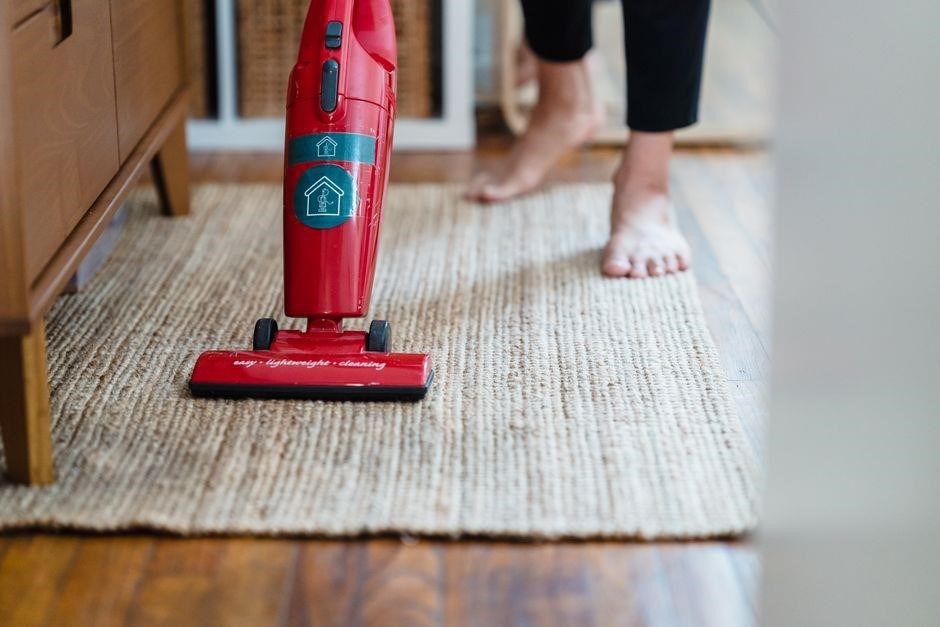
The Bissell Crosswave combines vacuuming, mopping, and drying in one unit, ideal for hard floors and rugs. Its dual‑mode system dispenses water, cleans, then extracts moisture, leaving surfaces spotless and dry. Follow the manual for safe, effective use. Ideal for quick cleanups deep clean and
Safety Precautions and Warnings
Before operating the Bissell Crosswave, read the entire manual and follow all safety instructions. Keep the unit out of reach of children and pets. Do not expose the vacuum to excessive moisture; water may damage electrical components and pose a shock hazard.
Never use the Crosswave on wet or damaged flooring, as the suction may pull water into the motor and cause overheating. Avoid using the device on carpets that are not rated for wet cleaning; the water can saturate fibers and lead to mold growth. Keep the brush roll free of debris and replace it if it becomes clogged or damaged.
When refilling the water tank, use only the recommended cleaning solution or plain water. Do not overfill; excess liquid can leak into the motor compartment. Allow the unit to cool before cleaning or servicing; Do not attempt to disassemble the Crosswave while it is plugged in or charging.
For safety, disconnect the power cord before cleaning the filter or brush roll. Store the unit in a dry place, away from direct sunlight extreme temperatures. If the device displays a warning light or error message, consult the troubleshooting section or contact Bissell support before continuing use.
Always wear appropriate footwear and avoid slippery surfaces. If the Crosswave emits a burning smell or unusual noise, immediately unplug the unit and inspect for damage. Follow all local regulations regarding electrical appliances and waste disposal.

Components and Parts Overview
The Bissell Crosswave is engineered with a modular design that allows users to swap components for different cleaning tasks. At its heart lies the motor housing, which houses the brush roll, suction fan, and the integrated water‑suction pump. The brush roll, a rotating cylinder, agitates the floor surface while the suction fan pulls dirt, debris, and liquid into the water tank for simultaneous wet and dry cleaning.
Attached to the motor housing is the water tank, a detachable reservoir that holds up to 1.5 liters of water or cleaning solution. The tank is equipped with a fill cap and a release valve that controls the flow of liquid to the brush roll. Above the tank sits the spray trigger, a small lever that the user can engage to dispense the cleaning solution directly onto the floor during operation.
The Crosswave’s suction system is powered by a high‑efficiency motor that drives the fan and the water‑suction pump. The suction fan pulls air and liquid through a series of filters, including a pre‑filter that captures larger debris and a fine filter that traps fine dust and allergens. The filtered air is then expelled through the exhaust port, leaving the floor dry.
The device also features a detachable hose that connects the brush roll to the water tank. This hose allows the user to direct the spray pattern and adjust the amount of solution released. The hose is reinforced with a flexible core to prevent kinks and maintain consistent pressure during cleaning.
Finally, the Crosswave includes a removable brush roll cover, a set of cleaning wipes, and a user‑friendly control panel with mode selectors for hard floors and area rugs.

Assembly and Setup
Begin by attaching the water tank to the motor housing, ensuring the seal is tight. Slide the brush roll into place, aligning the drive shaft. Connect the hose to the tank’s outlet, then secure the vacuum release valve. Power on, test suction, and adjust settings.
Installing the Water Tank and Brush Roll
Begin by lifting the Bissell Crosswave’s base and locating the water tank compartment. Slide the clear tank into place, aligning the rubber gasket with the mounting lip. Ensure the tank sits flush; a loose fit can cause leaks during operation. Next, attach the brush roll: align the drive shaft with the motor shaft, then slide the roll onto the shaft until the rubber side rests against the brush housing. Secure the roll by tightening the set screw located on the side of the housing. Verify that the brush roll rotates freely by turning the handle; it should spin smoothly without resistance. Once both components are seated, close the base lid, and press the latch until it clicks, confirming a secure seal. Test the system by filling the tank with water, turning on the unit, and observing the water flow through the hose to the brush roll. If water does not flow, check for obstructions in the hose or misalignment of the tank. Proper installation ensures efficient cleaning and prevents water leakage during use.
Installing the water tank and brush roll is critical for optimal performance. After installation, perform a quick test run by selecting the hard floor mode and letting the machine run for a minute. Observe the water level indicator; it should rise to the marked line. If the indicator stays low, the tank may not be seated correctly. Adjust the tank until the level matches the indicator. Finally, ensure the brush roll is not clogged by inspecting the bristles for debris and cleaning them with a brush. Once passes, verify that the water level indicator returns to the baseline, confirming suction. OK again
During cleaning, keep the brush roll level with the floor to avoid uneven suction. If you notice a sudden drop in suction, pause the unit, check for clogs, and clear the brush roll. Reassemble and resume cleaning. Always allow the unit to dry fully before storing it to prevent mold growth. During cleaning, keep the brush roll level with the floor to avoid uneven suction. If you notice a sudden drop in suction, pause the unit, check for clogs, and clear the brush roll. Reassemble and resume cleaning. Always allow the unit to dry fully before storing it to prevent mold growth. Use microfiber cloth!!
Replace the filter months to maintain suction power. Store the unit in a dry place prevent mold growth!!
Attaching the Hose and Releasing the Vacuum
Begin by locating the hose port on the rear of the Crosswave. The port is marked with a small icon and a rubber gasket. Slide the hose connector onto the port until the gasket seals against the housing. A gentle twist locks the connector in place; do not overtighten to avoid damaging the seal. Once the hose is attached, pull the hose forward to ensure it is fully seated and free of kinks.
With the hose secured, turn the unit on by pressing the power button. The indicator light will flash, signaling that the motor has engaged. To test suction, place your hand over the dusting brush and feel for airflow. If the airflow is weak, check the hose for obstructions and ensure the filter is clean.
Releasing the vacuum is accomplished by pressing the release lever located on the side of the unit. This lever disengages the motor from the brush roll, allowing the machine to run in a dry mode. When the lever is in the “off” position, the indicator light will turn off and the unit will cease suction. This function is useful for quick spot cleanings or when you need to move the unit without suction.
Always check for leaks before operating. If you notice water pooling around the hose connector, tighten the gasket slightly or replace the hose if it is damaged. Proper hose attachment and vacuum release ensure efficient cleaning and prevent water damage to your floors. Keep the hose free of debris for optimal suction. always.
Operation Modes and Settings
The Crosswave offers two primary modes: Hard Floor and Area Rug. Select the mode by pressing the mode button until the indicator light confirms your choice. Adjust water flow via the dial for light or heavy cleaning. Always read the manual for optimal settings. Use the timer for consistent coverage.
Selecting Hard Floor vs. Area Rug Mode
Choosing the correct mode on the Bissell Crosswave is essential for optimal cleaning performance and floor protection. The machine features a dedicated Hard Floor mode and an Area Rug mode, each calibrated to dispense the appropriate amount of water and suction for the surface type. To switch modes, locate the mode selector button on the front of the unit. Press the button until the indicator light changes to the desired mode symbol—usually a floor icon for Hard Floor and a rug icon for Area Rug. Once selected, the Crosswave automatically adjusts the water flow rate and suction power. In Hard Floor mode, the device limits water output to prevent excess moisture, which can damage hardwood, laminate, or tile. The system also reduces suction to avoid pulling too much water back into the tank, ensuring a dry finish. In Area Rug mode, the Crosswave increases water flow and suction to thoroughly clean deep fibers. It also activates the brush roll to agitate the rug surface, lifting embedded dirt. If you notice that your floors are wetter than desired, you can release the spray trigger and perform a few dry passes to help recover excess water and dry the surface faster. Switching from Area Rug mode to Hard Floor mode will automatically reduce the amount of solution dispensed, preventing over‑wetting. Always check the water tank for leaks before starting a cleaning cycle, as a leaking tank can cause uneven water distribution and affect mode performance. Use selector for top result.

Using Cleaning Solutions and Water
Fill the water tank with clean, lukewarm water up to the maximum line. For best results, use a Bissell-approved cleaning solution or a mild detergent diluted to half strength. Avoid harsh chemicals that can damage the brush roll or leave residues. Pour the solution into the designated reservoir, ensuring the cap is securely closed to prevent leaks. The Crosswave’s water‑dispensing system is calibrated to deliver the correct amount of solution for each mode; do not add extra water or concentrate the solution beyond the manufacturer’s recommendation. When the machine is powered on, it will automatically mix water and solution, then apply the mixture to the floor while vacuuming. After each cleaning cycle, empty the tank, rinse it with fresh water, and allow it to dry before refilling. This prevents buildup of detergent or mineral deposits that can clog the filter or brush roll. If you notice excess water on the floor, release the spray trigger and perform a dry pass to absorb the moisture. Switching to hard floor mode reduces solution output, helping keep surfaces drier. Always keep the tank and reservoir clean to maintain optimal performance and extend the life of the Crosswave. Use half-strength solution Use Bissell-approved cleaners for results! Avoid using bleach protect finishes daily!
Vacuuming Technique and Passes
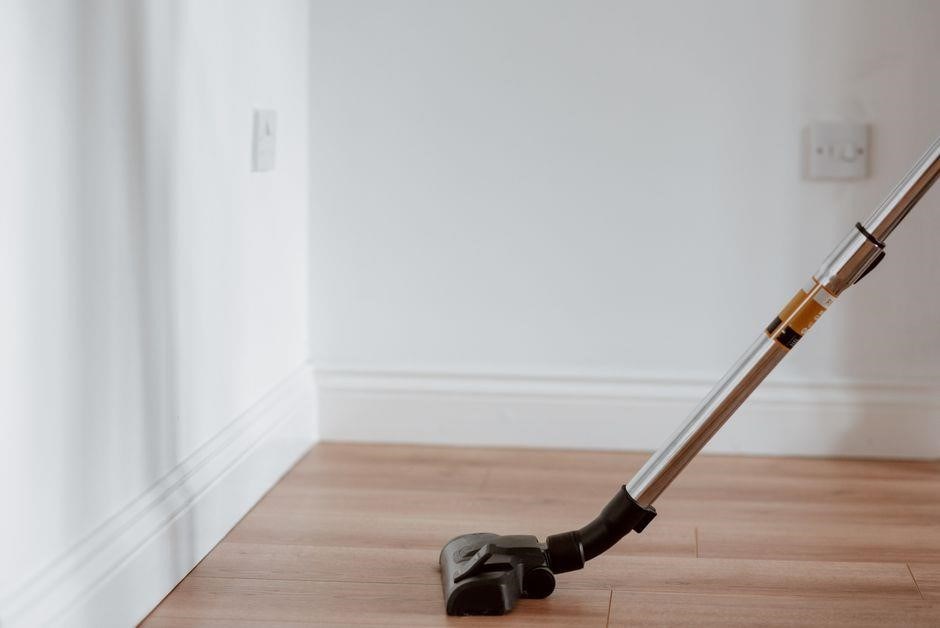
The Bissell Crosswave’s vacuuming technique relies on a continuous, low‑pressure suction that pulls debris into the collection bag while the brush roll agitates the surface. Begin by selecting the appropriate mode—hard floor or area rug—so the suction level matches the floor type. Position the machine at the room’s far corner and move it slowly in straight, overlapping passes. Keep the brush roll in contact with the floor; the gentle rotation ensures that dirt is lifted without scattering it. For hard floors, use a single pass to sweep, then a second pass to mop and extract water. On rugs, a single pass suffices; the brush roll’s bristles are designed to loosen embedded fibers. Do not rush; a steady pace allows the vacuum to maintain suction and prevents clogging. When encountering high‑traffic spots, pause briefly to allow the machine to recover suction. If the machine starts to sputter, check the filter and brush roll for obstructions. After completing a room, turn off the unit, empty the bag, and clean the filter according to the manual. Consistent, methodical passes keep floors clean and the Crosswave’s components running smoothly.
Keep the brush roll at a 45‑degree angle to the floor. Adjust the roll height on tiles or hardwood to avoid scratching. If suction drops, check the hose for kinks and straighten it. The built‑in sensor flashes the indicator light if a blockage occurs. A brush roll captures fur mode. After use, rinse again carefully brush roll in water, dry it, and re‑assemble!! Use a soft cloth to.

Maintenance: Filters, Brush Roll, and Water Tank
Clean filter weekly, rinse brush roll after use, empty water tank daily. Use mild detergent, avoid harsh chemicals. Dry parts thoroughly before reassembly to prevent mold. Check for clogs, replace worn parts now!
Cleaning the Filters and Brush Roll
Remove the vacuum’s water tank and pull the filter out of the tank. Gently tap the filter to dislodge debris, then rinse it under running water. Use a mild detergent if the filter is heavily soiled, but avoid harsh chemicals that could damage the filter material. After rinsing, allow the filter to air‑dry completely before reinserting it into the tank. The brush roll can be removed by sliding it out of the housing; use a brush or a small brush to sweep away hair and fibers. For stubborn buildup, soak the brush roll in warm, soapy water for 10–15 minutes, then scrub with a soft brush. Rinse thoroughly and dry before reinstalling. Perform this cleaning routine at least once a week for optimal performance, or more frequently if you have pets or a lot of dirt. Regular maintenance prevents clogs, extends the life of the machine, and ensures the Crosswave delivers a deep, efficient clean every time.
After cleaning, inspect the filter for debris. Replace it if stiff or clogged. Check the brush roll for tangled hair; untangle gently. Once dry, reinstall, ensuring the roll sits flush. Run a quick test on a small area to confirm proper water extraction and suction. If problems persist, refer to troubleshooting.
Keep the water tank clean by rinsing it with warm water after each use. Store the machine in a dry place and avoid leaving it in sunlight to prevent mold growth.
Always allow the machine to cool before storing to maintain optimal battery life!!
If the Crosswave leaves wet spots, release the spray trigger and make dry passes. Switch to hard floor mode to reduce solution. Check for leaks in the clean water tank. Replace filters if clogged. Ensure brush roll is free of hair. Check the suction hose for blockages and clean it necessary.
Excess Water on Floors
When the Crosswave leaves more water than desired, first check the spray trigger. Releasing it stops additional solution from being dispensed. Then perform a few dry passes over the area; the vacuum’s suction will pull excess moisture, speeding drying. If the floor remains damp, switch the unit to hard‑floor mode. This setting reduces the amount of solution released, preventing over‑wetting. Also inspect the clean water tank for leaks; a leaking tank can introduce extra water into the system. If a leak is found, replace the tank or seal the opening. Finally, ensure the brush roll is clean and free of debris, as a clogged roll can hinder proper suction and water extraction. By following these steps, you’ll maintain optimal drying and avoid water damage.
Additionally, verify that the water tank is seated correctly; an improperly seated tank can cause leaks that add excess moisture. Check the water level indicator; if the tank is overfilled, the machine may dispense more water than necessary. Adjust the water level to the recommended mark. Also, inspect the hose for kinks or obstructions that could impede suction, causing water to remain on the floor. If the hose is kinked, straighten it before use. Finally, ensure that the cleaning solution is not too concentrated; a diluted solution can leave a film that appears wet. Use the manufacturer’s recommended solution strength. By systematically checking these factors, you can prevent excess water and keep floors dry.

Remember to keep the unit suction power on the high setting for best results.!!

Warranty Information and Customer Support
All Bissell Crosswave models are covered by a standard two‑year limited warranty that protects against manufacturing defects in materials and workmanship. The warranty does not cover normal wear and tear, accidental damage, or misuse. To file a claim, locate the original purchase receipt, record the serial number found on the unit’s base, and contact Bissell Customer Service via phone or the online support portal. You will be guided through troubleshooting steps and, if necessary, instructed to ship the unit to an authorized service center. Shipping is typically covered for warranty repairs, but you may be responsible for return shipping if the issue is deemed non‑warranty. The warranty also covers replacement parts such as filters, brush rolls, and the water tank for the duration of the coverage period. For extended protection, Bissell offers a 3‑year service plan that includes priority repair, free parts, and a 24‑hour hotline. All warranty claims must be submitted within the coverage period; claims after the two‑year window are considered out of warranty. For detailed terms and conditions, refer to the warranty booklet that accompanies the unit or visit the official Bissell website; Customer support is available 24/7 via phone, email, or live chat, and Bissell’s service centers are located in major cities across the United States. If you experience any issues, contact support promptly to ensure a smooth resolution. All service inquiries are handled for satisfaction day.